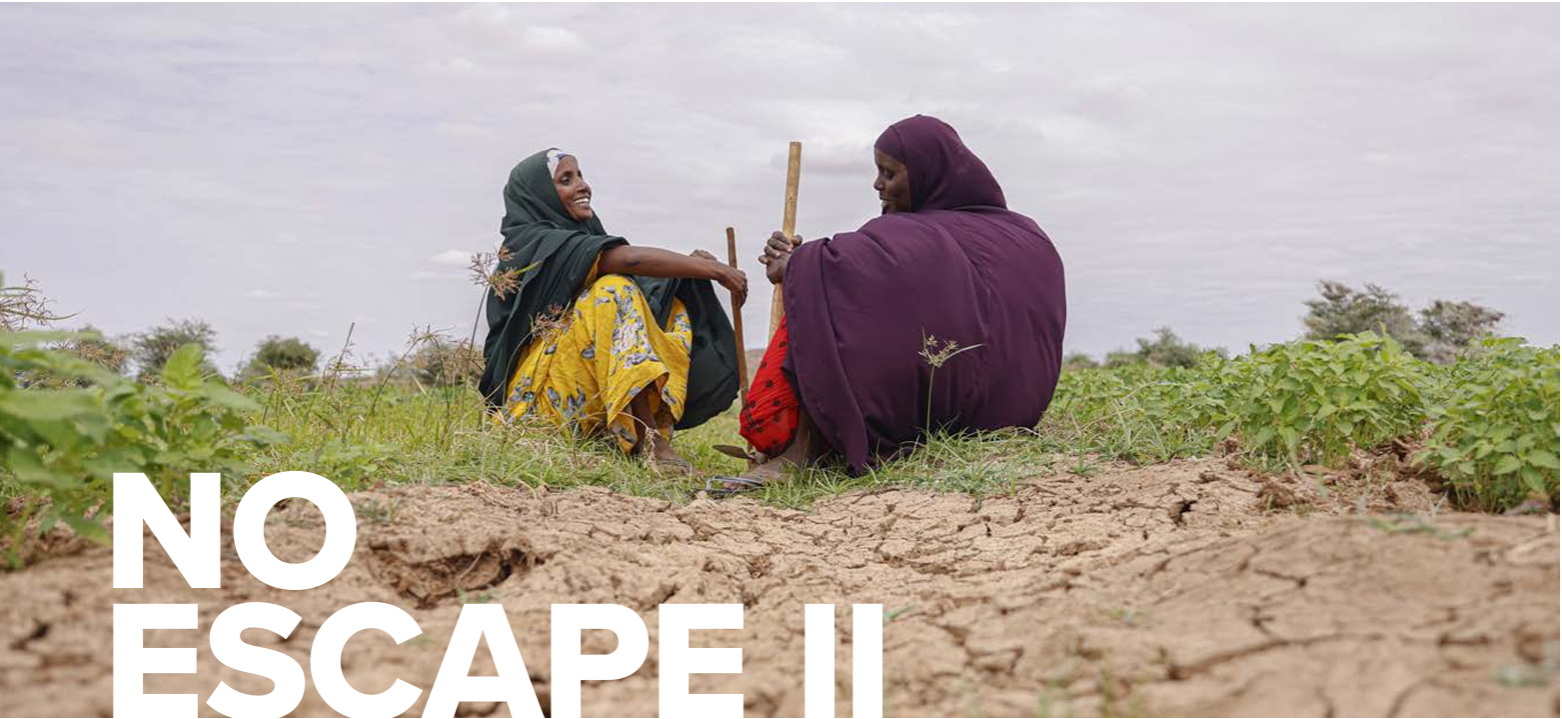
250 million people displaced by climate change over 10 years
In a report published on 10 November by the UN Refugee Agency (UNHCR), over the past 10 years weather-related disasters have caused about 250 million people to be forced to move – equivalent to around 70,000 people per day.
This exceeds the number of people displaced by war, violence, and persecution, the total of which stood at 117 million.
The document discusses the intersection of climate change, conflict, and displacement, emphasizing the urgent need for inclusive solutions to support vulnerable communities affected by these crises.
This is a summary of some of the main topics discussed in the report.
The Dual Threat of Climate and Conflict
Millions of refugees and displaced individuals face the compounded challenges of conflict and climate change, leading to unprecedented vulnerabilities.
- Over 117 million people were displaced by conflict by mid-2025.
- 75% of these individuals live in countries highly vulnerable to climate-related hazards.
- In 2024, 150 record-breaking extreme weather events occurred, worsening conditions for displaced populations.
- Extremely fragile states receive only $2 per person in yearly adaptation funding, compared to over $160 in stable countries.
Climate Impacts on Displacement
Climate-related hazards exacerbate the conditions that drive displacement and complicate existing crises.
- Weather-related disasters caused approximately 250 million internal displacements over the past decade, averaging 67,000 displacements per day.
- The number of countries reporting both conflict and disaster displacement has tripled since 2009.
- In Chad, floods in 2024 triggered over 1.3 million internal displacements, the highest on record for the country.
Vulnerability of Displaced Populations
Displaced individuals face heightened vulnerability due to intersecting factors such as gender, age, and legal status.
- Over 86 million displaced people live in areas with high-to-extreme exposure to climate hazards by June 2025.
- Marginalized groups, including women and children, face greater risks from climate-related hazards.
- Displaced children are nearly three times more likely to be out of school compared to their peers in host communities.
Environmental Degradation and Conflict
Environmental degradation and climate change are interconnected, worsening the challenges faced by displaced populations.
- Up to 40% of land globally is degraded, threatening food security and livelihoods.
- Armed conflicts damage ecosystems, further reducing resilience and complicating climate adaptation efforts.
- Climate impacts can exacerbate poverty and tensions over scarce resources, potentially leading to conflict.
Statelessness and Climate Vulnerability
Statelessness can be exacerbated by climate impacts, increasing vulnerability for affected populations.
- Climate change can create conditions for loss of nationality and statelessness.
- Displaced individuals may lose documentation, making it difficult to prove nationality.
- Gaps in nationality laws can increase the risk of statelessness, particularly for women and minority groups.
Resilience and Adaptation Strategies
Despite immense challenges, displaced communities demonstrate resilience and lead climate adaptation efforts.
- Displaced populations possess critical skills and ideas valuable for climate adaptation.
- Inclusive policies and adequate investment are essential to support their potential.
- Restoring degraded land can strengthen food and water security while creating economic opportunities.
Necessary Measures to Mitigate Statelessness
To address the risks of statelessness exacerbated by climate change, specific reforms and strategies are essential.
- Law and policy reforms are needed to include safeguards against statelessness.
- Strengthening civil registration and identity documentation systems is crucial for those affected by climate impacts.
- Climate adaptation and disaster management strategies must include all individuals in a state’s territory, regardless of nationality or legal status.
- Pathways to nationality for stateless persons should be supported, as granting nationality is the best protection against statelessness and climate impacts.