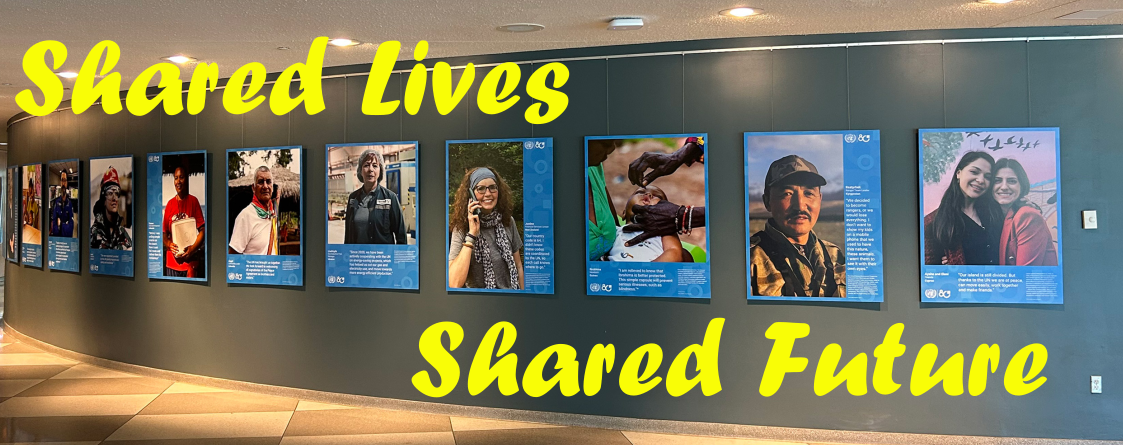
Shared Lives, Shared Future part 1
The stories and photos on this page come from the UN exhibition organized by the UN Department of Global Communications entitled Shared Lives, Shared Future. It was created to mark the United Nations’ 80th Anniversary in 2025. The exhibition showcases more than 200 stories from 193 countries highlighting the many ways in which the UN, the world’s most crucial international organization, impacts all our daily lives.
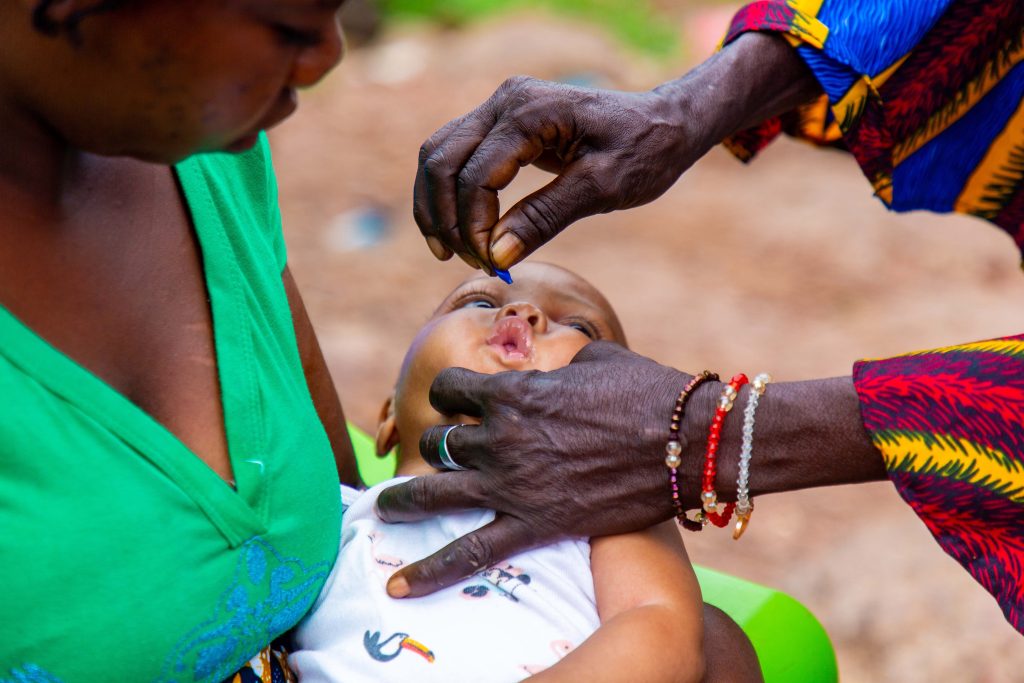
Ibrahima, Newborn, Guinea. Photo: UNICEF Guinea/R.Losseni
Mother says “I am relieved to know that Ibrahima is better protected. This simple capsule will prevent serious illnesses, such as blindness.”
Every child deserves protection. The Ministry of Health and Public Hygiene, with UNICEF’s support, reaches Guinea’s most isolated areas. On Kassa Island, Ibrahima received vaccines, vitamin A, and birth registration, lifechanging steps that protect children’s health and rights. Thanks to UNICEF’s support, penta3 vaccination coverage rose by 34% between 2015 and 2024.
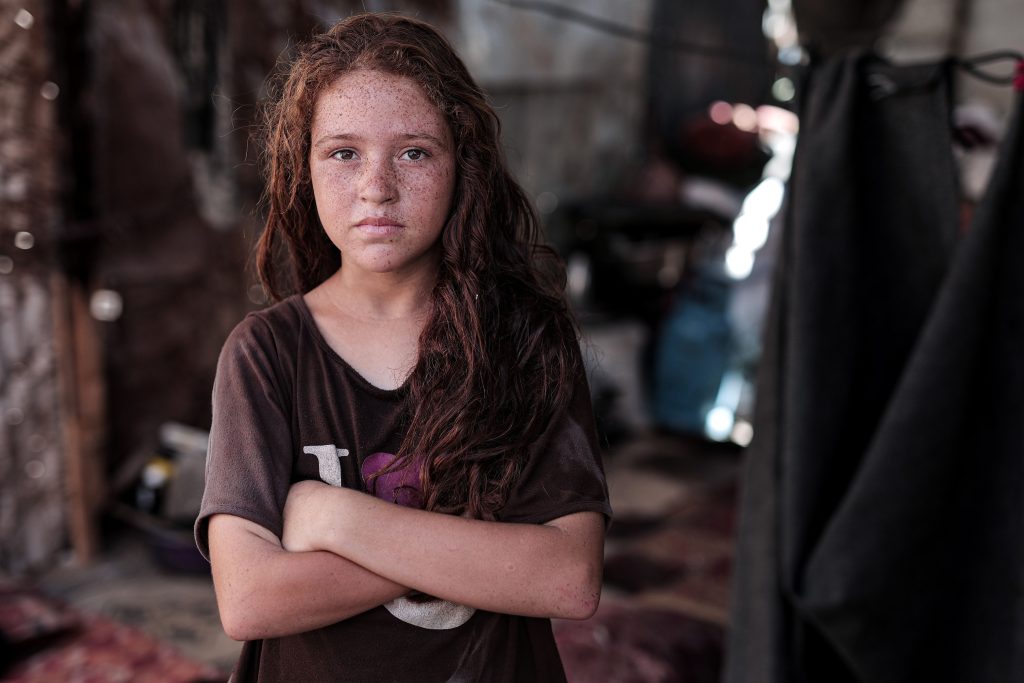
Former Student, Occupied Palestinian Territory. Photo: UNFPA Palestine/Hosny Salah.
“We miss the UN schools we used to go to. I want life to go back to how it was before.”
Before the current conflict, the United Nations Relief and Works Agency (UNRWA) ran schools in the Gaza Strip, educating 300,000 children like Mariam. Today, UNRWA, together with UN agencies and partners, are doing what they can to provide lifesaving assistance to people amid the devastating humanitarian crisis.

Dawid, Student, Poland. Photo: UN/Aleksandra Szorc.
“This package is for my aunt in Canada. I didn’t know that the international postal system is made possible by the UN.”
The international postal system is coordinated by the Universal Postal Union (UPU), a UN specialized agency that sets global standards and facilitates agreements between countries, enabling the global exchange of more than 3.8 billion letters and packages every year.
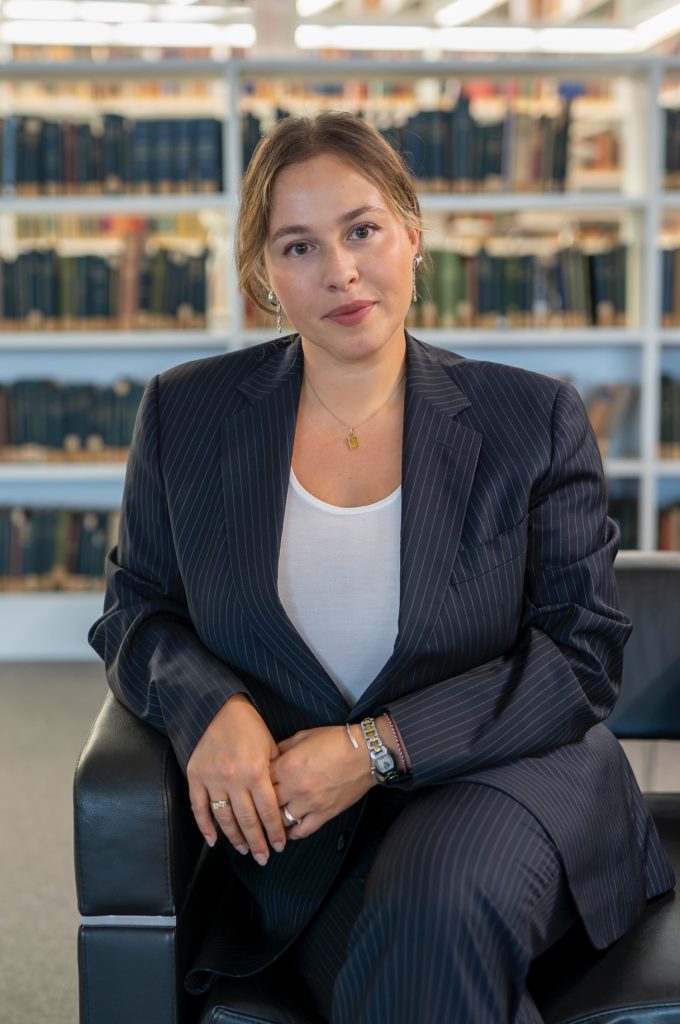
Milena, Human Rights Lawyer, Switzerland. Photo: UNIS Geneva/Emmanuel Hungrecker.
“In my work representing children, the Convention on the Rights of the Child provides essential guarantees for the protection of children’s rights, holding States responsible for their implementation within their jurisdiction.”
The Convention on the Rights of the Child (CRC) sets out the fundamental human rights of every child, including rights to survival, protection, education, and participation. UNICEF, as its lead UN agency, supports countries to turn these commitments into reality, helping millions of children worldwide.
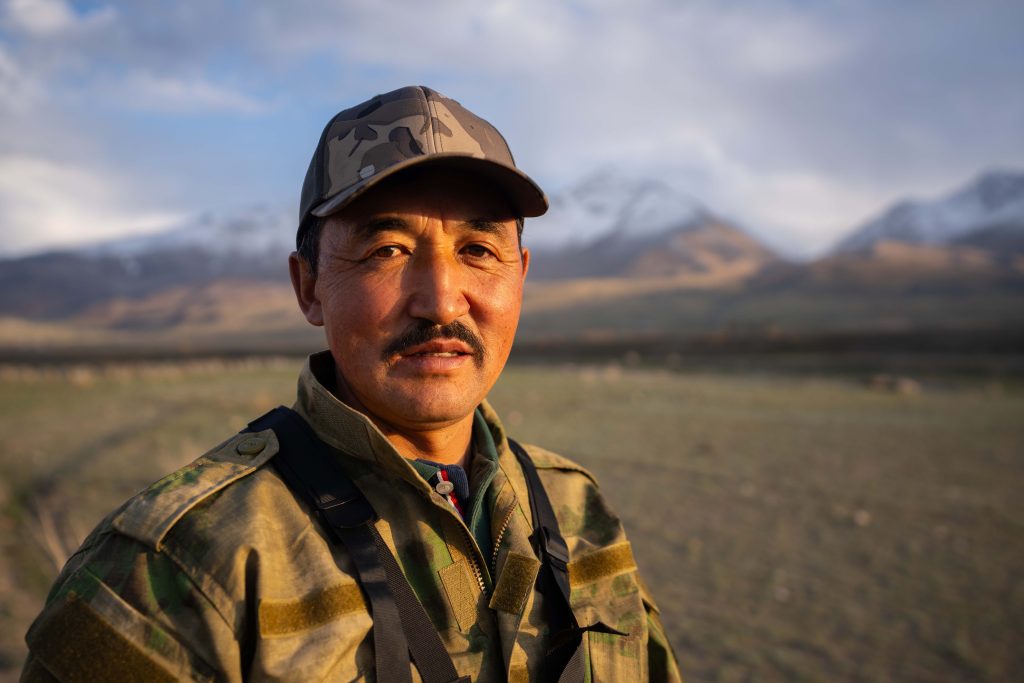
Baatyrbek, Ranger Team Leader, Kyrgyzstan. Photo: UNEP/Alejandro Laguna.
“We decided to become rangers, or we would lose everything. I don’t want to show my kids on a mobile phone that we used to have this nature, these animals. I want them to see it with their own eyes.”
The United Nations Environment Programme-led Central Asian Mammals and Climate Adaptation project helps communities adapt to climate change while protecting wildlife, such as through the creation of a 200-kilometre-wide ecological corridor connecting several Kyrgyz nature reserves. Baatyrbek and other volunteer rangers help prevent poaching and overgrazing. This is crucial for migratory animals like the argali sheep and Asiatic ibex.
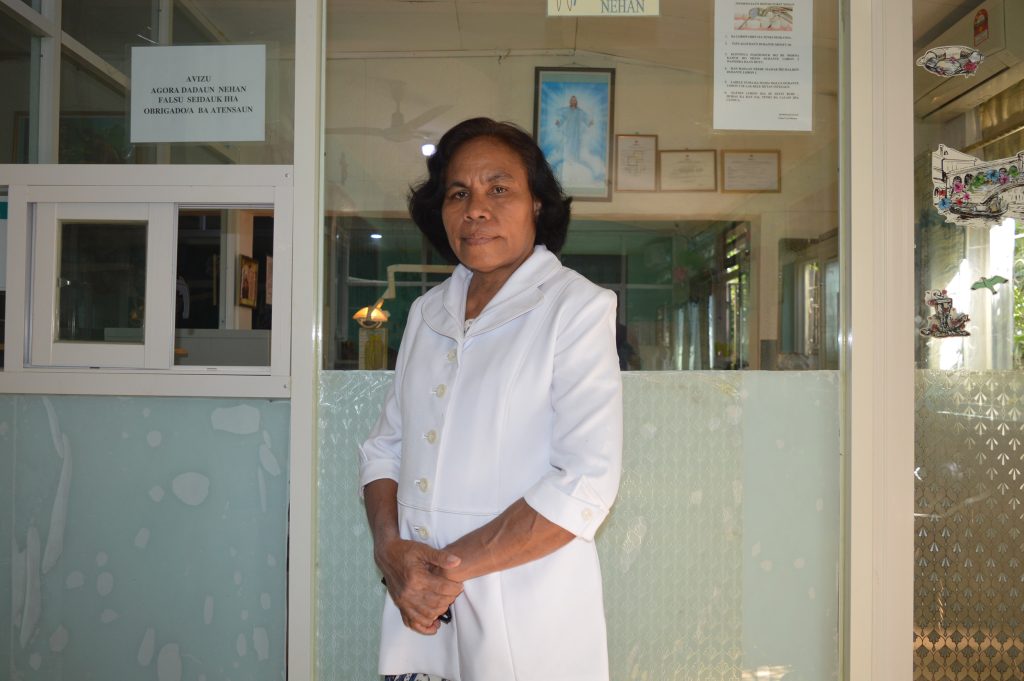
Maria, Citizen, Timor-Leste. Photo: Sergio Alves da Costa.
“Since 1999, the UN has played a key role in guiding Timor-Leste through the restoration of our independence, helping build the foundations of peace, democracy, and stability.”
For more than 25 years, the United Nations has been supporting Timor-Leste transition from a conflict-ridden past to peace. Initially deploying a peace operation in support of the restoration of independence, the UN continues to play a vital role in supporting national development and stability.